May 2020

ShDcR3 sensitizes TRAIL-resistant HCC cells by inducing caspase-dependent apoptosis while suppressing NF-κB dependent cFLIPL expression.

Evidence has proven that almost all hepatocellular carcinoma (HCC) cells are immune to tumor necrosis issue (TNF)-related apoptosis-inducing ligand (TRAIL)-mediated apoptosis. However, the molecular mechanisms underlying TRAIL-mediated apoptosis resistance aren’t nicely understood. In this research, we reported that downregulation of Decoy receptor 3 (DcR3) expression by lentiviral vectors carrying shRNA towards DcR3 (LV-ShDcR3, shDcR3) in
ShDcR3 sensitizes TRAIL-resistant HCC cells by inducing caspase-dependent apoptosis while suppressing NF-κB dependent cFLIPL expression. Read More »

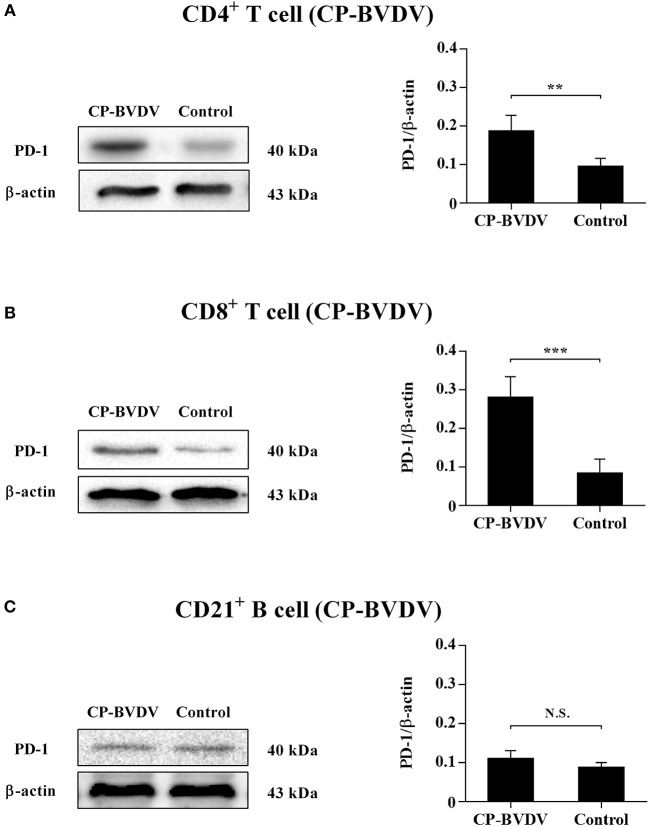
PD-1-Mediated PI3K/Akt/mTOR, Caspase 9/Caspase 3 and ERK Pathways Are Involved in Regulating the Apoptosis and Proliferation of CD4+ and CD8+ T Cells During BVDV Infection in vitro.

PD-1-Mediated PI3K/Akt/mTOR, Caspase 9/Caspase 3 and ERK Pathways Are Involved in Regulating the Apoptosis and Proliferation of CD4+ and CD8+ T Cells During BVDV Infection in vitro.

Acute an an infection of bovine viral diarrhea virus (BVDV) is said to immune dysfunction and could trigger peripheral blood lymphopenia and lymphocyte apoptosis. Our earlier study has confirmed that programmed death-1 (PD-1) blockade inhibits peripheral blood lymphocyte (PBL) apoptosis and restores proliferation and anti-viral immune options of lymphocytes after BVDV an an infection in vitro.

PD-1-Mediated PI3K/Akt/mTOR, Caspase 9/Caspase 3 and ERK Pathways Are Involved in Regulating the Apoptosis and Proliferation of CD4+ and CD8+ T Cells During BVDV Infection in vitro. Read More »

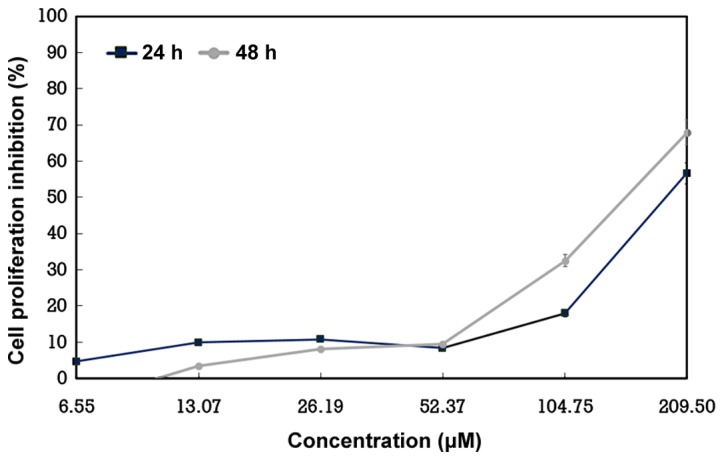
Apoptosis-mediated antiproliferation of A549 lung cancer cells mediated by Eugenia aquea leaf compound 2',4'-dihydroxy-6'-methoxy-3',5'-dimethylchalcone and its molecular interaction with caspase receptor in molecular docking simulation.

Apoptosis-mediated antiproliferation of A549 lung cancer cells mediated by Eugenia aquea leaf compound 2′,4′-dihydroxy-6′-methoxy-3′,5′-dimethylchalcone and its molecular interaction with caspase receptor in molecular docking simulation.

In a earlier research, 2′,4′-dihydroxy-6′-methoxy-3′,5′-dimethylchalcone (ChalcEA) remoted from the leaves of Eugenia aquea was reported to inhibit proliferation of the breast adenocarcinoma MCF7 cell line and to advertise apoptosis by way of activation of poly(adenosine diphosphate-ribose) polymerase protein. The current research aimed to guage the inhibitory impact of ChalcEA on the proliferation of A549 lung cancer cells

Apoptosis-mediated antiproliferation of A549 lung cancer cells mediated by Eugenia aquea leaf compound 2′,4′-dihydroxy-6′-methoxy-3′,5′-dimethylchalcone and its molecular interaction with caspase receptor in molecular docking simulation. Read More »